
African ministers adopt 10-year plan to train three million health workers
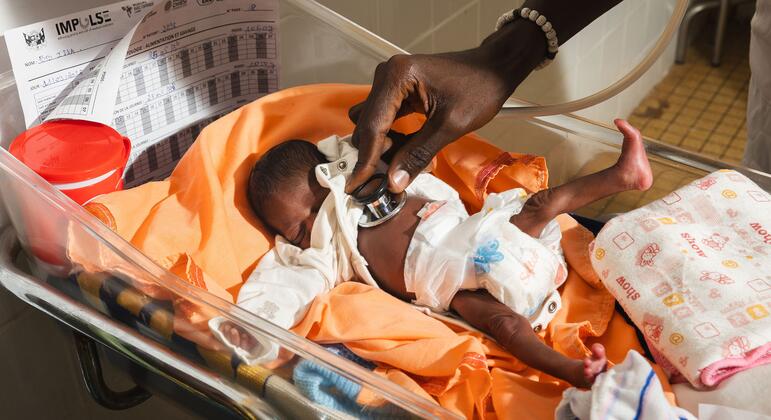
African countries have announced a decade-long plan to train, employ and retain three million additional health workers to strengthen health systems across the continent. The announcement was made on Wednesday during a meeting of health ministers in Addis Ababa, Ethiopia.
The Health Workforce Management Programme in Africa (2026–2035) was adopted during the 76th session of the World Health Organization (WHO) Regional Committee for Africa. The programme aims to transform health-sector labour markets as the continent faces a projected shortage of more than six million health professionals by 2035.
Workforce shortages and employment paradox
While Africa's health workforce grew to nearly 5.72 million professionals in 2024, the continent currently possesses only about 46 per cent of the health workers required to meet its needs. Without decisive action, the shortfall is expected to exceed six million professionals by 2035.
The continent faces a paradox where health facilities struggle with staff shortages while nearly one million trained health professionals remain unemployed. Recent graduates are particularly affected, with more than half of newly qualified nurses, doctors and midwives in many countries unable to find work shortly after completing their training.
“Our Member States have recognised that training health professionals is only the beginning,” said Dr. Mohamed Yakub Janabi, WHO regional director for Africa. “This programme turns evidence into concrete action and political commitment into sustainable investments for Africa’s health workforce and, ultimately, for the health and well-being of our populations,”
The WHO stated the situation requires better alignment of education and training with labour-market demand, job creation, and sustainable financing, alongside strengthened long-term workforce planning. The new programme is intended to provide a roadmap for countries to improve workforce planning, expand quality training, create employment opportunities, and retain skilled professionals in high-need areas.
Economic impact and investment
Closing the workforce gap in Africa would require an additional $4 to $6 per person each year. However, the WHO highlighted significant potential returns on such investment:
- Every dollar invested in health workers could generate up to $10 in economic benefits.
- Investment could generate roughly 30 times that amount in broader social returns through higher productivity, better health, and stronger economies.
Deliberations on policies and priorities at the Addis Ababa meeting are expected to continue through 28 August. These decisions will shape the region’s health agenda, including a newly endorsed regional strategy intended to give every child the best possible start in life. This strategy calls for coordinated action across several sectors, including:
- Health
- Nutrition
- Social protection
- Water and sanitation
- Education
- Finance
According to the WHO, the strategy recognises that no single sector can meet the needs of children alone and focuses on supporting parents, caregivers, and communities.