Thyroid Disorders in Women: Symptoms & Management Tips
News18•

Thyroid disorders are increasingly prevalent among women, often linked to rising stress levels and evolving lifestyles. Understanding potential symptoms and adopting proactive management strategies is crucial for maintaining overall health. This article outlines key indicators, dietary recommendations, and lifestyle adjustments that can contribute to effective thyroid health.
The thyroid gland, located in the neck, plays a vital role in regulating metabolism. When this gland doesn't function properly, it can lead to a range of health issues. While the exact causes remain complex, experts suggest a connection between modern stressors and an increased incidence of thyroid problems in women.
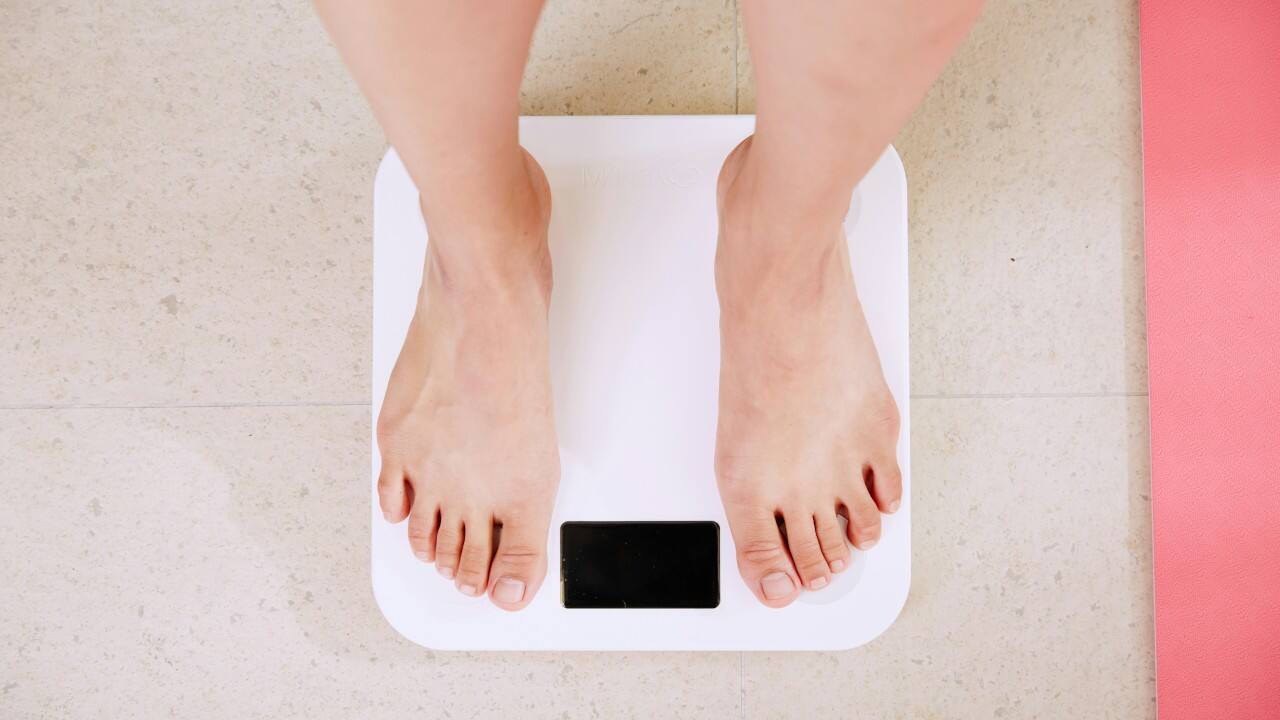
Recognizing the symptoms is the first step towards managing a thyroid disorder. Common signs include unexplained weight changes, fatigue, feeling cold when others don't, dry skin, brittle hair and nails, and irregular menstrual cycles. Some individuals may also experience muscle aches, joint pain, and difficulty concentrating. It's important to note that these symptoms can also be associated with other conditions, making accurate diagnosis by a healthcare professional essential.
Dietary choices can significantly impact thyroid function. Incorporating foods rich in iodine, such as seaweed and iodized salt (in moderation), is vital for thyroid hormone production. Selenium, found in Brazil nuts, tuna, and eggs, also supports thyroid health by protecting the gland from damage. Additionally, consuming foods rich in zinc, like oysters and pumpkin seeds, may help regulate thyroid hormone levels. It's always best to discuss dietary changes with a doctor or registered dietitian.
Beyond diet, lifestyle modifications can also positively influence thyroid health. Regular exercise, stress management techniques (such as yoga or meditation), and adequate sleep are all beneficial. Avoiding exposure to endocrine-disrupting chemicals, found in some plastics and personal care products, is also recommended. Maintaining a healthy weight and avoiding restrictive diets can further support optimal thyroid function.
If you suspect you may have a thyroid disorder, it's essential to consult a healthcare provider for proper evaluation and diagnosis. Early detection and appropriate treatment can help manage symptoms and prevent complications. This information is not intended to be a substitute for professional medical advice, diagnosis, or treatment. Always seek the advice of your physician or other qualified health provider with any questions you may have regarding a medical condition.